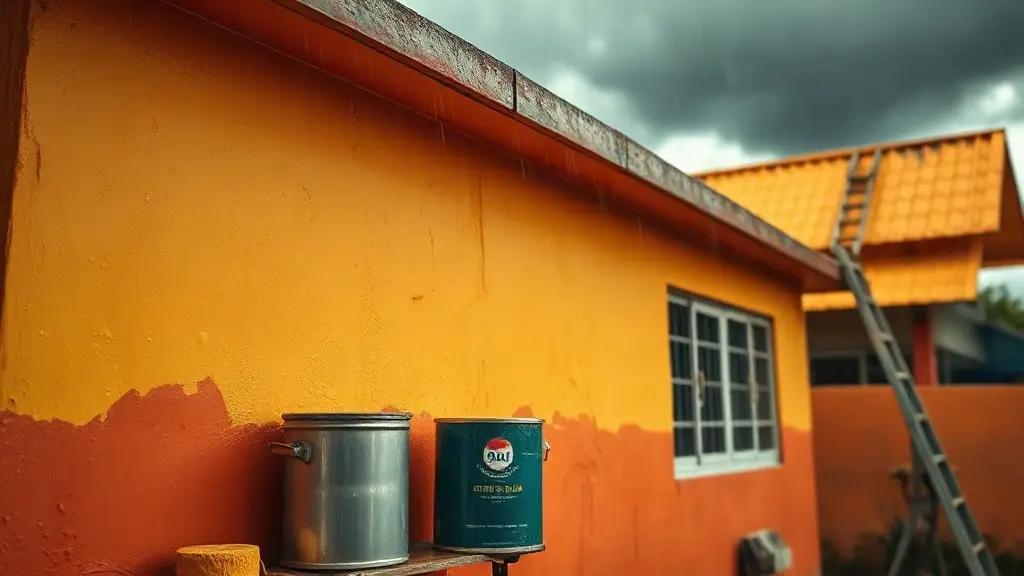

Indian homes face high humidity, heavy monsoon rain, and stubborn damp patches on walls. For homeowners and contractors across Tamil Nadu, keeping wall surfaces dry can feel like a constant battle. Now, a new paint technology called silicate mineral paint has entered the Indian market to address this problem. Instead of just sitting on the wall, this mineral-based coating reacts with the surface and becomes part of it. That makes it a promising choice for moisture-prone buildings. In this article, we explain how this technology works and why it matters for your next painting project.
Why Moisture-Prone Walls Need Special Paint
Moisture is one of the biggest causes of paint failure. When dampness moves through cement plaster, it brings salts to the surface. This leads to white patches, peeling, and bubbling. In humid weather and during the monsoon season, these problems get worse. Many homeowners discover that cheap fixes do not last because the real issue is moisture inside the wall.
Good surface preparation can reduce this risk. A smooth base created with quality wall putty helps the paint sit evenly and last longer. Adding a waterproofing coating can also protect the wall from rainwater and seepage. However, the topcoat must be able to handle humidity as well. That is why new mineral paint technology is generating interest.
How Silicate Mineral Paint Technology Works
Silicate mineral paint uses potassium silicate as its binder instead of plastic or acrylic resins. When applied to a mineral surface, it soaks into the plaster and forms a chemical bond. This is different from ordinary paints that create a separate film on top. The result is a finish that is both strong and breathable.
Because the paint is micro-porous, trapped moisture can escape as vapour. At the same time, liquid water is stopped from entering the wall. This helps prevent blistering and peeling in damp areas. The coating also resists fungus and algae, making it suitable for exterior use. For buildings near the coast or in high-humidity parts of Tamil Nadu, this technology offers a useful option.
Is Silicate Mineral Paint Right for Your Building?
This paint is not suitable for every surface. It works best on mineral-based walls such as cement plaster, lime plaster, and concrete. If the wall has been coated with acrylic or enamel paint earlier, that layer must be removed before applying silicate mineral paint. Contractors should always carry out a small patch test to check adhesion and compatibility.
For new construction and repainting projects in moisture-prone areas, silicate mineral paint can be a long-lasting topcoat. But it is not a substitute for proper drainage, leak repair, or damp-proofing. Homeowners should fix cracks and water seepage first. With the right surface preparation, this mineral coating can keep walls fresher for much longer.
Frequently Asked Questions
Q: What is silicate mineral paint?
A: Silicate mineral paint is a water-based coating that uses mineral binders such as potassium silicate. It chemically bonds with cement or lime plaster to create a breathable, moisture-resistant finish.
Q: Can I apply silicate mineral paint over old acrylic paint?
A: No. This paint needs a mineral surface like cement plaster or concrete. Old acrylic paint must be removed so that the silicate binder can react with the wall properly.
Q: Does silicate mineral paint replace waterproofing?
A: No. It protects the surface while allowing trapped moisture to escape. Waterproofing coats are still used to stop water from entering the wall through cracks or joints. Both can work together.
Related Products at Quality Colours
Need expert paint advice? Call or WhatsApp Quality Colours: +917418831122