
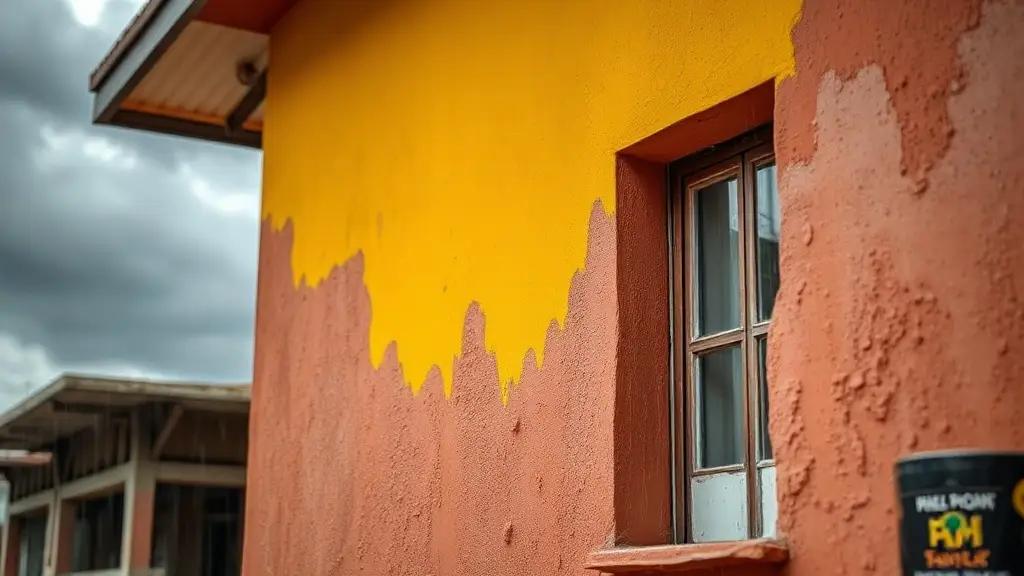
Every year, as the monsoon sweeps across Tamil Nadu, thousands of homeowners and contractors face the same frustrating problem — moisture creeping through walls, ceilings blistering, and paint peeling away. The heavy rainfall and high humidity levels that characterise our region make homes especially vulnerable to dampness. Whether you own an independent house in Coimbatore, a flat in Chennai, or manage construction projects across the state, understanding how to protect your property from moisture damage is absolutely essential. The good news is that with the right approach and the correct materials, dampness can be effectively controlled before it causes serious structural harm.
Why Dampness Is a Serious Threat to Tamil Nadu Homes
Tamil Nadu's climate — with its extended northeast and southwest monsoons — creates prolonged exposure to rain and moisture. When water infiltrates walls, it does not just ruin the appearance of your interiors; it gradually weakens the plaster, promotes mould and mildew growth, damages electrical fittings, and can even compromise the structural integrity of your building over time. Exterior walls that face direct rainfall are particularly at risk, as are terraces, bathrooms, and areas around window frames and door joints.
One of the most overlooked yet highly effective preventive measures is applying a high-quality waterproofing solution to external surfaces before the rains arrive. A reliable waterproofing coat acts as a barrier that repels water and prevents it from soaking into the wall substrate. Combined with a premium exterior paint that is specifically engineered to resist moisture and UV rays, your outer walls can remain protected through even the heaviest downpours.
Practical Steps to Control Indoor and Outdoor Moisture
Start from the outside and work your way in. Inspect your terrace for cracks, uneven surfaces, or blocked drainage that might cause water to pool and seep downward. Clear all gutters and downpipes regularly during the monsoon months. Check window sills, door frames, and joints for gaps, and seal them using a good-quality caulk or sealant. Inside the home, ensure bathrooms and kitchens are well-ventilated so that steam does not condense on walls and promote fungal growth. If you notice existing dampness stains on interior walls, address the root cause — which is usually a gap or crack on the outside — before repainting.
Before applying any fresh coat of interior paint, it is strongly advisable to prepare the wall surface with a quality wall putty. Wall putty fills hairline cracks and micro-pores that are invisible to the naked eye but can allow moisture to pass through. A smooth, well-filled surface not only looks better but also ensures that the paint layer bonds uniformly, reducing the risk of future peeling or bubbling caused by trapped moisture underneath.
Long-Term Protection Through the Right Paint and Primer Choices
Choosing the correct products for each surface can make the difference between a finish that lasts one monsoon season and one that holds strong for several years. For wooden doors, window frames, and furniture, never skip the wood primer step. Wood is naturally porous and expands or contracts with changes in humidity, making it highly susceptible to moisture damage. A good wood primer seals the grain, prevents swelling, and creates a firm base for the topcoat to adhere to, significantly extending the life of both the wood and the paint.
On exterior walls, a thick-bodied texture paint can provide an additional layer of moisture resistance while also adding visual appeal. Texture paint creates a slightly rough surface that helps water bead off rather than being absorbed. When you invest in the right preparation — starting with waterproofing on terraces and external walls, followed by wall putty on interior surfaces and wood primer on wooden elements — you build a layered defence system that keeps your home dry, healthy, and looking its best even through the toughest monsoon season.
Frequently Asked Questions
Q: When is the best time to apply waterproofing treatment to my home in Tamil Nadu?
Ideally, waterproofing should be applied at least four to six weeks before the monsoon begins, giving the product ample time to cure fully. In Tamil Nadu, this typically means completing the work by late May or early June before the southwest monsoon arrives. If you have missed the pre-monsoon window, some waterproofing products can still be applied during dry spells within the rainy season.
Q: Can I paint over damp walls directly to stop the moisture problem?
Painting over a damp wall without treating the underlying cause will not solve the problem and will actually make things worse. The fresh paint will peel or bubble within weeks. You must first identify and fix the source of moisture — whether it is a roof crack, a plumbing leak, or inadequate waterproofing — allow the wall to dry completely, then prepare the surface with wall putty before applying paint.
Q: How does exterior paint help in protecting walls from monsoon damage?
A high-quality exterior paint is formulated with special resins and additives that create a water-repellent film on the wall surface. This prevents rainwater from penetrating the wall while still allowing moisture vapour from inside the wall to escape, reducing the chances of blistering. Look for exterior paints with anti-algae and anti-fungal properties, which are especially important in the humid Tamil Nadu climate where mould growth is a common post-monsoon issue.
Related Products at Quality Colours
- Waterproofing Solutions — Terrace, Exterior Wall & Basement Protection
- Exterior Paint — Weather-Resistant Finishes for Tamil Nadu Homes
- Wall Putty — Smooth Surface Preparation Before Painting
- Texture Paint — Decorative and Moisture-Resistant Wall Finishes
- Wood Primer — Long-Lasting Protection for Doors and Wooden Surfaces
Need expert paint advice? Call or WhatsApp Quality Colours: +917418831122
Source: 15 tips to keep dampness under control in your home this rainy season - The Times of India


