
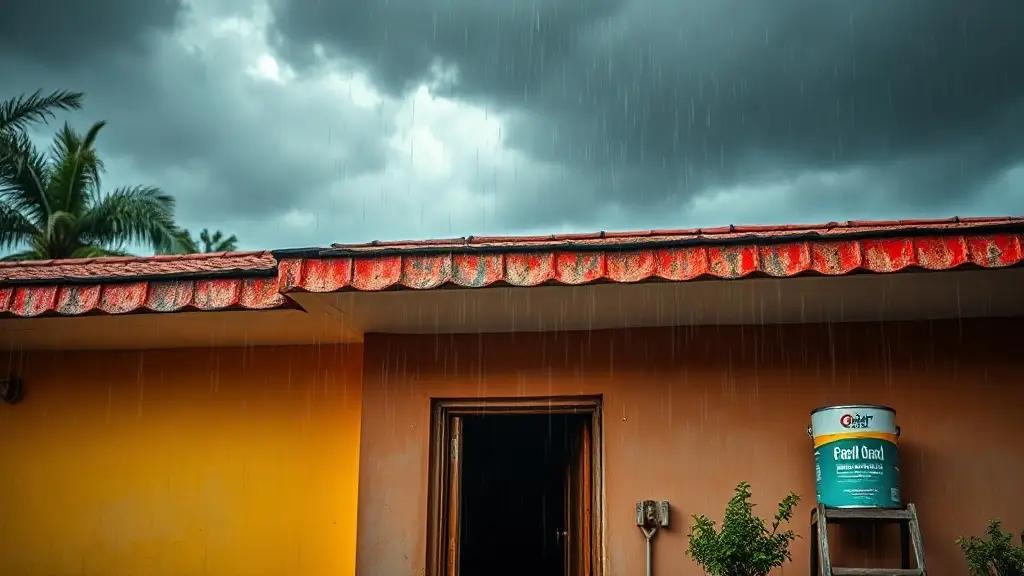
Every year, the monsoon season brings much-needed relief from Tamil Nadu's scorching heat — but it also brings a hidden threat to your home: dampness. Whether you live in Chennai, Coimbatore, Madurai, or a smaller town, rising moisture levels can seep into walls, weaken structures, cause peeling paint, and even trigger harmful mould growth. The good news is that with the right materials and timely action, you can protect your home effectively. Here are the most important steps homeowners and contractors in Tamil Nadu should take to keep dampness under control during the rainy season.
Seal Your Walls Before the Rains Arrive
One of the biggest mistakes homeowners make is waiting until water has already entered the walls before taking action. Prevention is far more cost-effective than repair. Begin by thoroughly inspecting all exterior walls for hairline cracks, gaps around window frames, and areas where old paint is flaking or bubbling — these are prime entry points for moisture. Fill surface-level cracks using a quality wall putty, which creates a smooth, dense base that resists water absorption and improves paint adhesion. Once the putty has cured, follow up with a premium exterior paint that carries a strong weather-resistance rating. A good acrylic or elastomeric exterior paint forms a flexible film that can expand and contract with temperature changes without cracking, keeping your walls sealed even during heavy downpours.
Pay special attention to parapets, sunshades, and the junction between walls and the roof slab — these horizontal surfaces tend to collect standing water and are among the first places where seepage begins. Applying a waterproof coating at these joints before the monsoon hits can save you thousands in repair costs later.
Invest in Professional Waterproofing Solutions
Surface paint alone is not always enough to stop severe water ingress, especially in older buildings or those in coastal areas of Tamil Nadu where humidity and rainfall are extreme. This is where dedicated waterproofing treatments make a critical difference. Crystalline waterproofing compounds, polymer-modified coatings, and bituminous membranes can be applied to terraces, basement walls, and bathroom areas to create a robust moisture barrier that lasts for years. For terraces specifically, a proper waterproofing membrane followed by a protective screed layer is the gold standard approach recommended by civil engineers and experienced contractors alike.
Inside the home, bathrooms and kitchens are constant sources of moisture. Ensure tiles are properly grouted and that waterproofing has been applied behind them during construction or renovation. If you notice dampness spreading from these wet areas into adjacent rooms, it is a clear sign that the internal waterproofing has failed and needs immediate attention. Addressing it promptly prevents the problem from escalating into structural damage or persistent mould infestations.
Protect Woodwork and Manage Ventilation
Dampness does not only affect concrete and plaster — it causes serious damage to wooden doors, window frames, furniture, and cabinetry as well. Wood absorbs moisture readily, causing it to swell, warp, and eventually rot if left unprotected. Before the monsoon sets in, sand down any exposed wooden surfaces and apply a high-quality wood primer to seal the grain and create a stable base. Follow this with at least two coats of a moisture-resistant enamel or exterior wood finish. This simple step dramatically extends the life of your woodwork and prevents unsightly staining and structural weakening.
Alongside protective coatings, good ventilation is your most powerful ally against indoor dampness. Ensure that exhaust fans in bathrooms and kitchens are functioning properly, and keep windows open during dry spells to allow fresh air to circulate. Avoid drying wet clothes indoors as this significantly raises indoor humidity. If certain rooms consistently feel damp even after surface treatments, consider placing moisture-absorbing materials or a small dehumidifier to bring humidity levels down. Combining physical barriers like waterproofing and primer with smart ventilation habits gives your home the best possible defence against monsoon moisture.
Frequently Asked Questions
Q: How do I know if my wall has a dampness problem that needs professional attention?
Look for telltale signs such as paint that is peeling, bubbling, or staining in yellowish or brownish patches, a persistent musty odour in certain rooms, white salt deposits (efflorescence) on exterior walls, or visible mould growth on walls or ceilings. If any of these signs are present, it is best to consult a professional rather than simply repainting over the problem, as the underlying moisture issue must be fixed first.
Q: Can I apply waterproofing or exterior paint myself, or do I need a contractor?
Minor touch-ups, such as applying wall putty to small cracks or repainting a single room, are manageable DIY tasks for a careful homeowner. However, terrace waterproofing, large-scale exterior repainting, and structural crack repairs are best handled by experienced contractors who have the right tools, materials, and safety equipment. Improper application of waterproofing products can actually trap moisture inside the wall, making the problem worse.
Q: How long does exterior waterproof paint last in Tamil Nadu's climate?
In Tamil Nadu's hot and humid conditions, a good-quality exterior paint or waterproofing coat typically lasts between five and eight years, depending on the product quality, surface preparation, and number of coats applied. Cheaper paints may start failing within two to three years. Investing in a premium exterior paint with UV resistance and waterproofing properties upfront saves you the cost and inconvenience of frequent repainting.
Related Products at Quality Colours
- Wall Putty – Crack Filling & Surface Smoothing
- Exterior Paint – Weather-Resistant Wall Finishes
- Waterproofing Solutions – Terrace, Roof & Basement
- Texture Paint – Decorative & Protective Wall Coatings
- Wood Primer – Protection for Doors & Wooden Surfaces
Need expert paint advice? Call or WhatsApp Quality Colours: +917418831122
Source: 15 ways to control dampness during the monsoon season - Architectural Digest India


