
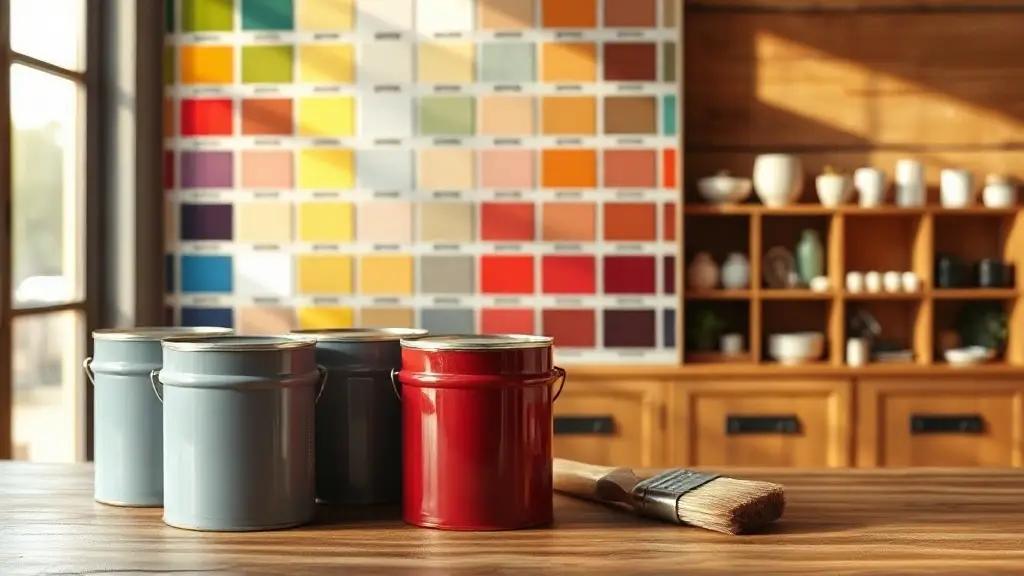
If you have ever noticed your beautifully painted walls start to bubble, crack, and shed flakes within just a couple of monsoon seasons, you are certainly not alone. Peeling paint — what many in the industry humorously call the "papdi problem" — is one of the most widespread complaints among homeowners and contractors across India, including right here in Tamil Nadu. The good news is that this frustrating issue is entirely preventable when you choose the correct products and apply them with the right technique. Let us walk you through what causes paint to peel, how bold and bright colours can still look stunning for years, and what steps you should take before your next paint job.
Why Does Paint Peel Off Walls So Quickly?
Paint peeling is rarely just about the paint itself — it almost always starts beneath the surface. Moisture seeping through walls, poor surface preparation, and skipping primer or putty coats are the most common culprits. In Tamil Nadu's humid climate, walls are constantly exposed to rain, heat, and condensation, which weakens the bond between the paint film and the wall surface over time.
One of the most effective ways to prevent this is applying a quality wall putty before painting. Wall putty fills micro-cracks and creates a smooth, sealed base that helps paint adhere firmly and resist moisture-driven separation. Skipping this step — especially on older walls — is one of the biggest mistakes homeowners make, and it almost guarantees an early paint failure.
Choosing Bold, Bright Colours Without Sacrificing Durability
Many people assume that vibrant, high-pigment shades fade faster or peel sooner than neutral tones. While cheaper paints may behave that way, modern premium formulations are engineered to deliver both eye-catching colour and long-term resilience. The key is selecting a paint with strong UV resistance and a flexible film that can expand and contract with changing temperatures without cracking.
For exterior walls in Tamil Nadu, a high-quality exterior paint with weather-shield properties is essential. These paints are specifically formulated to withstand intense sunlight, heavy rainfall, and humidity — the exact conditions that degrade ordinary paints within a season or two. When you invest in the right exterior paint, those bold colours stay true and the surface stays intact for many years.
The Right Prep Work Makes All the Difference
Professional contractors will tell you that surface preparation accounts for at least 70% of a paint job's longevity. Before any paint or putty goes on, walls should be inspected for damp patches, hairline cracks, and algae or fungal growth — all of which are extremely common in South India's climate. If moisture is penetrating from outside, a waterproofing coat applied to the exterior surface before painting is a non-negotiable step.
For wood surfaces such as doors, window frames, and furniture, applying a coat of wood primer before the topcoat dramatically improves adhesion and prevents swelling, warping, and peeling caused by humidity. Similarly, on interior accent walls, texture paint offers a decorative finish that also adds a layer of thickness and protection compared to standard emulsions. Taking the time to prepare surfaces properly is what separates a paint job that lasts a decade from one that starts failing within the first year.
Frequently Asked Questions
Q: Why does my exterior wall paint peel every year after monsoon?
Monsoon-driven peeling is almost always caused by water entering the wall from the outside. Without a proper waterproofing layer and a high-quality exterior paint, moisture pushes through the wall and breaks the paint's bond with the surface. Applying a waterproof coat followed by a premium exterior paint designed for Indian weather conditions will stop this cycle.
Q: Is wall putty really necessary before painting interior walls?
Yes, wall putty is strongly recommended for interior walls, especially if you want a smooth, long-lasting finish. It seals pores in the plaster, fills hairline cracks, and creates a firm base for the paint to bond to. Without it, paint is more likely to peel, and the finish will look uneven over time.
Q: Can I use texture paint on exterior walls in Tamil Nadu?
Texture paint is primarily recommended for interior accent walls. For exteriors in Tamil Nadu's climate, a dedicated weatherproof exterior paint is a better choice as it is formulated to handle UV radiation, rain, and temperature fluctuations. Ask our team at Quality Colours for the right product recommendation based on your wall type and location.
Related Products at Quality Colours
- Wall Putty — Smooth base coat for crack-free, long-lasting walls
- Exterior Paint — Weatherproof, UV-resistant finishes for Tamil Nadu climates
- Waterproofing Solutions — Stop moisture before it damages your walls
- Texture Paint — Decorative interior finishes with added durability
- Wood Primer — Protect doors and window frames from humidity and swelling
Need expert paint advice? Call or WhatsApp Quality Colours: +917418831122


