
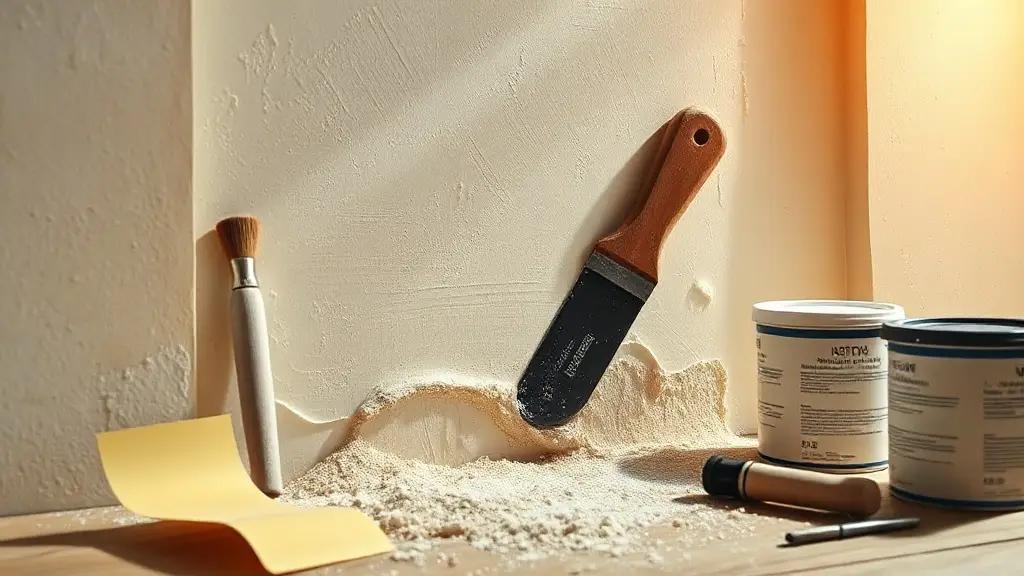
When it comes to achieving a smooth, long-lasting paint finish on your walls, the preparation stage matters just as much as the paint itself. Across Tamil Nadu, homeowners and contractors are paying more attention than ever to the products they use before the first coat of paint even goes on. Wall putty, in particular, has emerged as a key player in the pre-paint process — and for good reason. A quality wall putty creates a uniform, crack-resistant base that helps paint adhere better, look smoother, and last significantly longer. Understanding what to look for in a wall putty can make a real difference to your final result.
Why Wall Putty Is Essential Before Painting
Many homeowners skip wall putty altogether, assuming a primer alone is enough. However, raw cement or plaster walls are often uneven, porous, and prone to hairline cracks. Applying a good wall putty fills these minor imperfections and creates a consistent surface that allows paint to spread evenly. Without this step, even premium paints can look patchy or peel prematurely — especially in Tamil Nadu's humid coastal climate.
At Quality Colours, we stock a wide range of wall putty options suitable for both interior and exterior surfaces. Whether you are renovating an older home in Coimbatore or finishing a new build in Chennai, using the right putty is the first step toward walls that look professionally done and stand the test of time.
How Tamil Nadu's Climate Affects Your Wall Preparation Choices
Tamil Nadu's weather is notoriously demanding on painted surfaces. From heavy monsoon rains along the coast to intense dry heat inland, walls here face a constant cycle of expansion, contraction, moisture absorption, and UV exposure. This makes it absolutely critical to choose a wall putty and exterior paint that are specifically formulated to handle these stresses. A waterproofing-grade putty or a moisture-resistant base coat can prevent seepage from showing up as ugly stains or bubbling paint within just one rainy season.
For exterior walls especially, we recommend pairing a reliable wall putty with a high-quality exterior paint that offers UV resistance and water repellency. This combination significantly reduces the frequency of repainting and protects the structural integrity of your walls over the long term — saving you money while keeping your property looking its best year after year.
Tips for Contractors and Homeowners Applying Wall Putty Correctly
Getting the best results from wall putty is not just about buying the right product — it is also about proper application. The surface should be clean, dry, and free from dust, grease, or loose material before you begin. Apply the putty in thin, even layers using a flat spatula or trowel, allowing each coat to dry completely before adding the next. Two coats are typically recommended for best results. Once the putty is fully cured and sanded smooth, apply a coat of primer before your final paint layers.
If you are working on wooden surfaces such as doors, window frames, or furniture, do not overlook the importance of a good wood primer. Just as wall putty prepares masonry surfaces, a wood primer seals the grain, prevents moisture penetration, and ensures that your topcoat bonds properly. Skipping this step on wood is one of the most common reasons paint peels on doors and window shutters in humid Tamil Nadu conditions.
Frequently Asked Questions
Q: Is wall putty necessary if I am using a good quality exterior paint?Yes, even the best exterior paint performs better when applied over a properly prepared surface. Wall putty fills pores and minor surface cracks, ensuring a smoother finish and stronger paint adhesion. In Tamil Nadu's weather conditions, this preparation step can significantly extend the life of your paint job.
Q: How many coats of wall putty should I apply before painting?For most interior walls, two coats of wall putty are sufficient. For rough or highly porous surfaces, a third coat may be needed. Allow each coat to dry fully — typically 4 to 6 hours — and lightly sand the surface between coats for the smoothest possible base.
Q: Can I use interior wall putty on exterior walls?No, it is important to use a putty that is specifically designed for exterior use on outdoor surfaces. Interior putty is not formulated to withstand rain, humidity, and UV exposure. Using the wrong product outdoors can lead to cracking, peeling, and moisture damage within a single monsoon season.
Related Products at Quality Colours
- Wall Putty — Interior & Exterior Grades
- Exterior Paint — Weather-Resistant Finishes
- Waterproofing Solutions for Walls & Roofs
- Texture Paint — Decorative Wall Finishes
- Wood Primer — Protection for Doors & Furniture
Need expert paint advice? Call or WhatsApp Quality Colours: +917418831122


