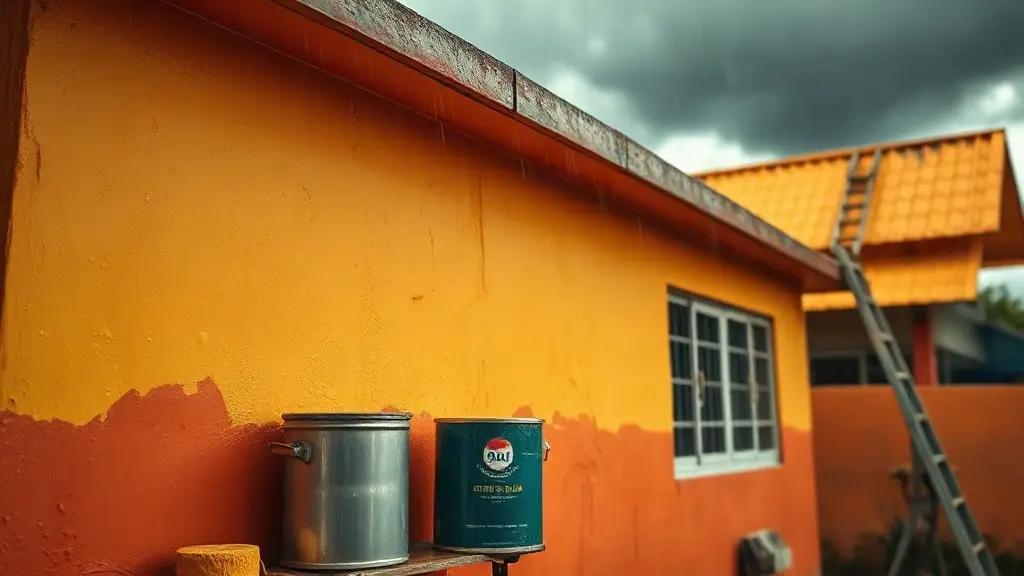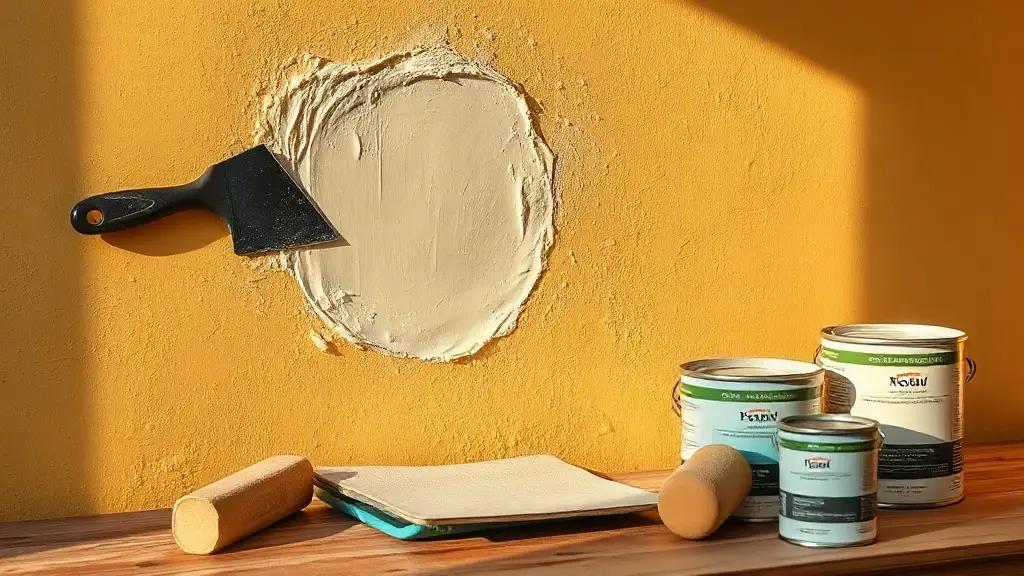

When it comes to achieving beautifully finished walls inside your home, the foundation matters just as much as the topcoat. Across Tamil Nadu, homeowners and professional contractors are increasingly paying attention to surface preparation products like wall putty and gypsum plaster — and for good reason. These materials bridge the gap between bare masonry and a paint-ready surface, ensuring that every rupee you spend on premium paint actually delivers the stunning result you are hoping for. Understanding how these products work, and why they matter, can make a significant difference to your next renovation or new construction project.
Why Surface Preparation Is the Secret to Perfect Walls
Many homeowners focus entirely on choosing the right paint colour while overlooking the critical step of surface preparation. Raw cement or plastered walls are rarely smooth enough to accept paint evenly — they contain micro-pores, hairline cracks, and surface irregularities that become visible the moment paint is applied. Applying a quality wall putty before painting fills these imperfections, creating a uniformly smooth base that dramatically improves paint adhesion and gives walls a clean, professional finish. Think of wall putty as the foundation that makes everything built on top of it look its best.
In Tamil Nadu's varied climate — from the humid coastal zones of Chennai and Nagapattinam to the drier inland regions — walls are constantly exposed to moisture fluctuations that can cause surfaces to deteriorate quickly without proper preparation. A well-applied layer of wall putty not only improves aesthetics but also adds a degree of protection to the substrate, extending the life of both the surface and the paint applied over it.
The Role of Gypsum Plaster in Modern Home Finishing
Gypsum plaster has emerged as a popular alternative to traditional sand-cement plaster, especially for interior walls and ceilings. It sets faster, produces a naturally smoother surface, and requires less effort to finish compared to conventional plastering methods. For homeowners looking to reduce construction timelines without compromising on quality, gypsum plaster is an increasingly attractive option. Because it yields such a fine surface, it also reduces the amount of wall putty needed before painting, saving both time and material costs.
Another advantage of gypsum plaster in Tamil Nadu's warm climate is its natural thermal insulating properties, which can help keep interiors slightly cooler. Contractors working on residential and commercial projects alike are adopting gypsum-based finishing systems to deliver superior results that their clients can see and feel. Once the gypsum surface is fully cured, applying a good-quality wall putty followed by a premium interior or exterior paint produces walls that look polished and last for years.
Choosing the Right Products for Long-Lasting Results in Tamil Nadu
Not all surface preparation products perform equally in South Indian conditions. Tamil Nadu's high humidity levels during the northeast monsoon and the intense summer heat place extraordinary demands on wall finishes. Choosing products specifically formulated for tropical climates — those that offer strong adhesion, resistance to dampness, and flexibility to handle minor structural movement — is essential. For exterior surfaces, pairing a good wall putty with a reliable waterproofing solution provides an added layer of defence against rain-driven moisture, preventing damp patches and paint peeling that are unfortunately common in poorly prepared walls.
For interior accent walls or feature surfaces, texture paint is an excellent way to add visual depth and personality to a room without major renovation work. Whether you prefer a subtle sand finish or a bold geometric pattern, texture paint applied over a properly primed and puttied surface delivers results that are both striking and durable. Always remember that the quality of your base preparation directly determines how good your final finish will look — skipping steps to save time rarely pays off in the long run.
Frequently Asked Questions
Q: Is wall putty necessary before painting interior walls in Tamil Nadu?
Yes, applying wall putty before painting is strongly recommended. It fills surface pores and minor cracks, ensuring the paint adheres evenly and the finished surface looks smooth and professional. In Tamil Nadu's humid conditions, it also helps protect the substrate from moisture ingress.
Q: What is the difference between gypsum plaster and traditional sand-cement plaster?
Gypsum plaster sets more quickly, produces a finer surface finish, and is easier to apply than conventional sand-cement plaster. It is particularly well-suited for interior walls and ceilings and reduces the amount of post-plaster finishing work required before painting.
Q: How do I protect exterior walls from rain damage in Tamil Nadu?
For exterior walls, use a combination of a quality waterproofing product and a durable exterior paint formulated for tropical climates. Applying wall putty on exterior surfaces with a waterproof-grade formulation, followed by a weather-resistant topcoat, provides the best long-term protection against monsoon rains and humidity.
Related Products at Quality Colours
- Wall Putty — Smooth base coat for interior and exterior walls
- Exterior Paint — Weather-resistant finishes for Tamil Nadu climates
- Waterproofing Solutions — Protect walls from monsoon and moisture damage
- Texture Paint — Decorative finishes for feature walls and interiors
- Wood Primer — Essential base coat for all wooden surfaces
Need expert paint advice? Call or WhatsApp Quality Colours: +917418831122