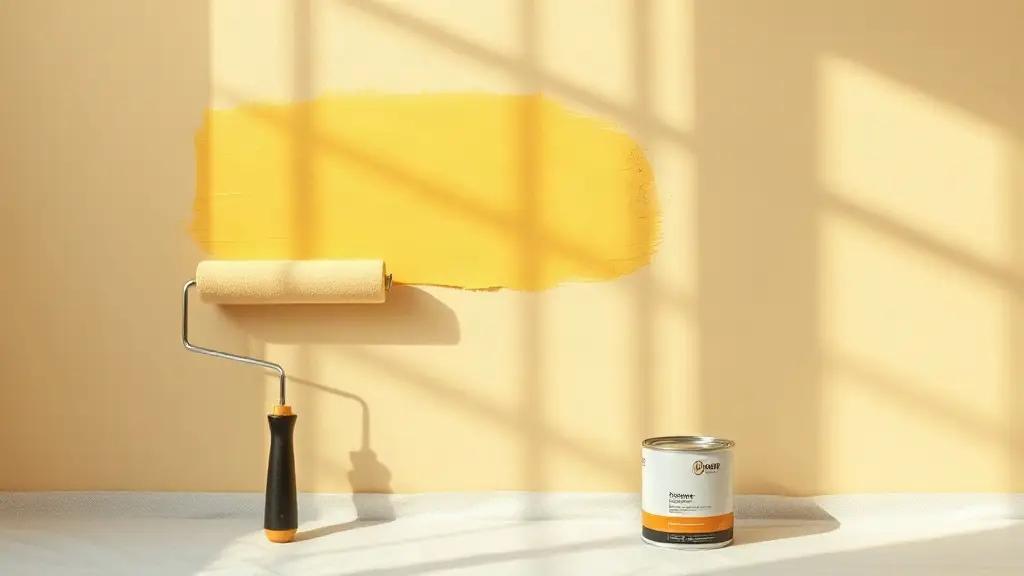
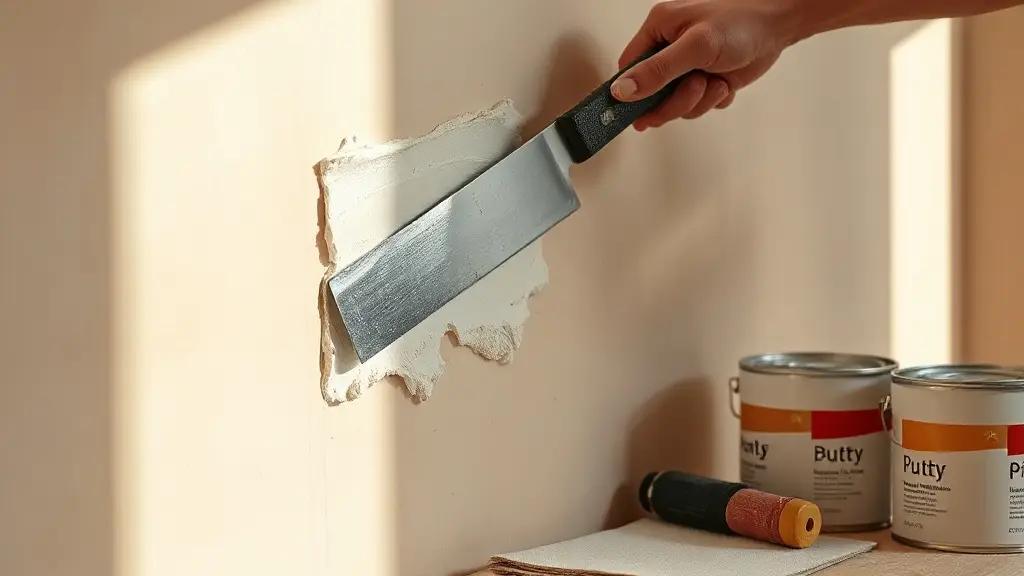
If you have ever wondered why some painted walls look flawless while others appear rough and uneven, the secret often lies in one underrated product — wall putty. Across India and especially in Tamil Nadu, the demand for quality wall putty is rising sharply as homeowners and construction professionals grow more aware of its role in achieving a smooth, long-lasting painted surface. Whether you are renovating an old house or finishing a brand-new construction, understanding wall putty can save you time, money, and a great deal of frustration down the line.
What Is Wall Putty and Why Is It Growing So Fast?
Wall putty is a white cement-based powder mixed with water to form a paste that is applied over plastered walls before painting. It fills tiny pores, hairline cracks, and surface imperfections, creating a perfectly even base for paint application. Industry analysts project that the global wall putty market will continue expanding well into 2035, driven largely by booming construction activity in South and Southeast Asia — a trend that Tamil Nadu's rapidly growing urban centres reflect clearly.
The reason for this surge is straightforward: builders and homeowners alike have realised that skipping wall putty leads to paint peeling, uneven colour, and costly re-painting jobs within just a few years. Applying a quality wall putty before your topcoat significantly extends the life of any interior paint finish and reduces overall maintenance expenses.
How Wall Putty Enhances Paint Performance
Think of wall putty as the foundation of your paint job. Just as a strong foundation supports a building, a well-applied putty coat supports your paint layers. It improves adhesion dramatically, meaning your paint bonds tightly to the wall surface rather than sitting loosely on an uneven plaster. This is particularly important in Tamil Nadu's climate, where high humidity and temperature swings can stress wall surfaces throughout the year.
When combined with a premium exterior paint or a weather-resistant waterproofing solution on outer walls, wall putty becomes part of a complete protection system. For interior walls, a smooth putty base allows texture paint to spread evenly and display its decorative patterns with far greater clarity and sharpness. The result is a finish that looks professional and stays beautiful for years.
Choosing the Right Wall Putty for Tamil Nadu Conditions
Not all wall putty products are created equal, and local climate conditions matter when making your selection. In coastal areas of Tamil Nadu such as Chennai, Nagapattinam, or Rameswaram, walls face persistent salt-laden air and moisture, so selecting a putty with superior moisture resistance is critical. For interior walls in drier inland districts, a standard white cement putty typically delivers excellent results at an economical price point.
Professional contractors recommend always priming wooden surfaces with a dedicated wood primer before applying any finish coat, as this prevents moisture ingress and timber warping — a common problem during the monsoon months. Similarly, for terraces and exterior boundary walls, pairing wall putty with a dedicated waterproofing coat before the final paint layer offers the best protection against water seepage and algae growth. At Quality Colours Paint Shop, our team can guide you to the ideal combination of products for your specific project and location.
Frequently Asked Questions
Q: Is wall putty necessary if my walls already look smooth after plastering?Yes, even walls that appear smooth after plastering have microscopic pores and minor surface variations that only putty can fill effectively. Skipping putty leads to uneven paint absorption, patchy colour, and reduced paint life — especially in humid Tamil Nadu conditions.
Q: How many coats of wall putty should be applied before painting?Generally, two coats of wall putty are recommended. The first coat fills deeper imperfections, and the second coat creates the ultra-smooth finish needed for a flawless paint application. Each coat must be allowed to dry completely and then sanded lightly before the next coat is applied.
Q: Can wall putty be used on exterior walls?Exterior-grade wall putty products are available and can be used outdoors, but they must always be topped with a weather-resistant exterior paint or a waterproofing solution to protect against rain, UV rays, and humidity. Using interior putty on exterior surfaces without proper protection will cause it to deteriorate rapidly.
Related Products at Quality Colours
- Wall Putty — Smooth base coat for interior and exterior walls
- Exterior Paint — Weather-resistant topcoats for Tamil Nadu climates
- Waterproofing Solutions — Protect terraces, bathrooms, and outer walls
- Texture Paint — Decorative finishes for living rooms and feature walls
- Wood Primer — Essential protection for doors, windows, and furniture
Need expert paint advice? Call or WhatsApp Quality Colours: +917418831122
Source: Wall Putty Market Size & Share [2035] - Market Growth Reports