
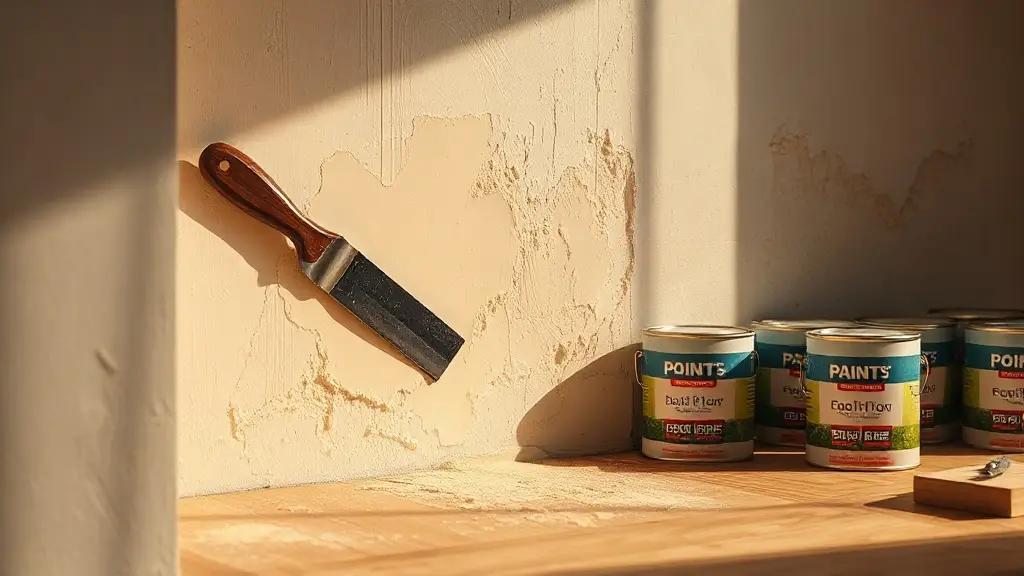
When it comes to achieving flawless, professional-looking interior walls, one product stands above the rest — wall putty powder. Whether you are renovating an older home in Chennai or finishing a brand-new apartment in Coimbatore, applying a quality wall putty before painting is not just a good idea, it is an absolute necessity. The global demand for interior wall putty powder has been growing steadily, and homeowners and contractors across Tamil Nadu are increasingly recognising its importance as a foundational step in any paint job. Understanding what wall putty does and how to use it correctly can make the difference between a paint finish that lasts years and one that peels within months.
What Is Wall Putty and Why Does It Matter?
Wall putty powder is a white cement-based compound applied to interior wall surfaces before the final coat of paint. Its primary role is to fill in minor cracks, pores, and surface imperfections, creating a smooth and even base that allows paint to adhere properly. Without this critical preparatory layer, even the most expensive paint can look uneven, develop bubbles, or peel away prematurely — especially in Tamil Nadu's humid and high-temperature climate.
A good quality wall putty not only improves the visual appeal of your walls but also extends the overall lifespan of the paint system. It acts as a bonding layer between the raw plastered surface and the topcoat, reducing paint consumption and improving the richness of colour. For best results, always ensure your walls are clean, dry, and free from loose material before applying putty.
Choosing the Right Wall Putty for Tamil Nadu Homes
Not all wall putty products are created equal, and selecting the right one for your specific needs is crucial. In Tamil Nadu, where the weather can swing between intense monsoon rains and scorching summer heat, you need a putty that can handle moisture without cracking or crumbling. For interior walls, a polymer-based or white cement wall putty offers excellent smoothness and durability. For rooms prone to dampness — such as kitchens and bathrooms — pairing wall putty with a dedicated waterproofing solution beneath the surface is a smart investment that prevents seepage and damp patches over time.
For exterior surfaces, the requirements differ significantly. Exposed walls face UV radiation, heavy rainfall, and thermal expansion. In such cases, contractors often recommend applying a high-quality exterior paint with built-in weather resistance over a properly prepared surface, sometimes combined with an exterior-grade waterproofing coat for added protection. Always consult a paint expert to match the right products to your specific wall conditions and local environment.
How to Apply Wall Putty for Best Results
Correct application technique is just as important as product selection. Begin by wetting the wall surface lightly, then mix the wall putty powder with clean water to a smooth, lump-free paste. Apply the first coat using a steel spatula or putty blade in thin, even strokes, and allow it to dry completely — typically 4 to 6 hours under normal Tamil Nadu conditions. Sand the dried surface lightly with sandpaper before applying a second coat for an ultra-smooth finish.
Once both putty coats have dried and been sanded, the wall is ready for the primer and then the final topcoat. For wooden surfaces in your home — doors, window frames, and furniture — do not skip a dedicated wood primer, which seals the wood grain and ensures paint bonds firmly without peeling or flaking. For decorative finishes, texture paint can be applied over a putty base to create stunning visual effects that transform ordinary walls into design features. Following these steps ensures your paint job not only looks brilliant on day one but continues to look great for years to come.
Frequently Asked Questions
Q: Is wall putty powder necessary before painting interior walls?
Yes, applying wall putty is highly recommended before painting. It fills surface imperfections, improves paint adhesion, and ensures a smooth, even finish that lasts significantly longer than paint applied directly on bare plaster.
Q: How many coats of wall putty should I apply?
In most cases, two coats of wall putty are sufficient for interior walls. The first coat fills deep pores and cracks, while the second coat refines the surface to a near-perfect smoothness. Each coat should be fully dry and lightly sanded before the next is applied.
Q: Can I use interior wall putty on exterior walls?
No, interior wall putty is not formulated to withstand outdoor weather conditions such as rain, humidity, and UV exposure. For exterior surfaces, you should use products specifically designed for outdoor use, including weather-resistant exterior paint and appropriate waterproofing solutions.
Related Products at Quality Colours
- Wall Putty Powder — Interior & Exterior Grades
- Exterior Paint — Weather-Resistant Finishes
- Waterproofing Solutions — For Walls, Roofs & Wet Areas
- Texture Paint — Decorative Wall Finishes
- Wood Primer — Protection for Doors & Wooden Surfaces
Need expert paint advice? Call or WhatsApp Quality Colours: +917418831122
Source: Interior Wall Putty Powder Market Research Report 2020 - Menafn.com


