
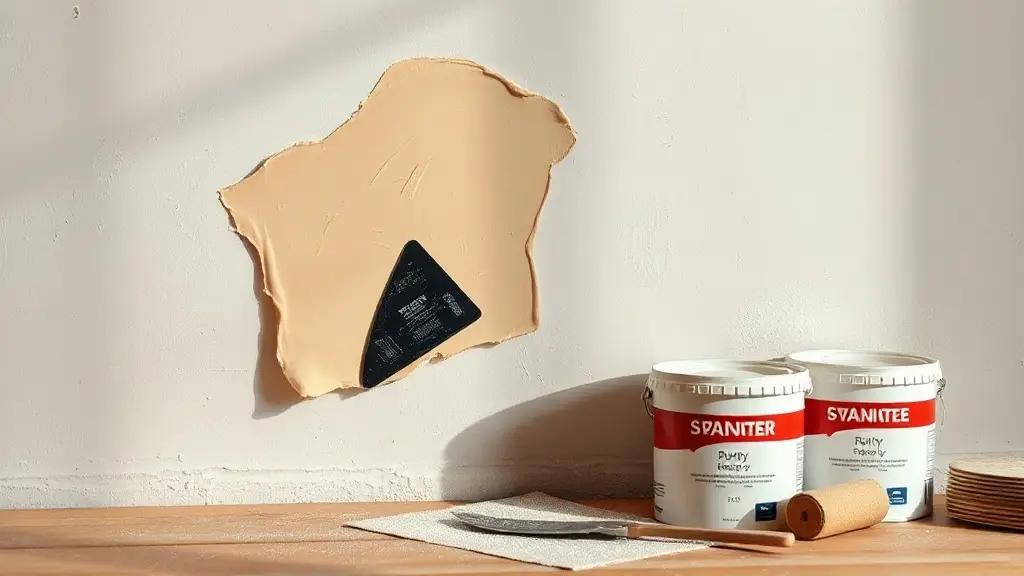
The Indian construction and home improvement market is witnessing a steady rise in demand for washable wall fillers, and Tamil Nadu is no exception. As more homeowners and contractors prioritise long-lasting, easy-to-maintain interiors, the choice of wall preparation products has never been more important. Understanding current market trends can help you make smarter decisions — whether you are renovating a single room or managing a large residential project. Here is what you need to know about washable wall fillers and how to choose the best products for your walls.
Why Washable Wall Fillers Are Growing in Popularity
Modern Indian households are increasingly demanding surfaces that are both beautiful and practical. Washable wall fillers — commonly known as wall putty — create a smooth, durable base coat that allows paint to adhere evenly and last significantly longer. Unlike ordinary fillers that crack or peel when exposed to moisture or frequent cleaning, washable variants are engineered to withstand everyday wear and tear. This makes them especially relevant in Tamil Nadu's humid coastal climate, where walls face constant exposure to moisture.
The growing urban middle class, rapid residential construction, and a surge in home renovation activity across cities like Chennai, Coimbatore, and Madurai are all fuelling this demand. Builders and interior contractors are increasingly specifying quality wall putty as a non-negotiable step before applying any topcoat, recognising that a proper base dramatically improves the final appearance and durability of any paint job.
Key Market Trends Shaping Wall Preparation in India
Industry analysts highlight several important shifts in the Indian wall filler segment. First, there is a clear move toward polymer-modified and acrylic-based wall putty formulations, which offer superior bonding strength and flexibility compared to traditional white cement putty. Second, the market is seeing stronger demand for exterior-grade fillers that can handle India's intense monsoon seasons. For Tamil Nadu homeowners dealing with heavy rains and high humidity, pairing a premium wall putty with a high-quality exterior paint creates a protective barrier that keeps walls looking fresh for years.
Third, sustainability is becoming a deciding factor for both developers and individual buyers. Low-VOC and environmentally responsible formulations are steadily gaining ground, especially among urban consumers who are conscious of indoor air quality. This trend aligns well with the broader growth of premium paint and finishing products across the Tamil Nadu market.
How to Choose the Right Wall Filler for Tamil Nadu Conditions
Selecting the correct wall filler depends on where it will be applied and what conditions the surface must endure. For interior walls, a smooth acrylic or polymer wall putty provides an ideal canvas for your chosen topcoat, filling hairline cracks and surface imperfections effortlessly. For exterior surfaces, it is advisable to combine a weather-resistant filler with a dedicated waterproofing solution and a robust exterior paint to ensure complete protection against rain, sun, and humidity — all of which are especially intense in Tamil Nadu's climate.
For wooden surfaces and fixtures, never skip a coat of wood primer before applying any filler or paint. This step seals the wood grain, prevents swelling, and ensures a uniform finish. Whether you are working on a compact apartment in Chennai or a large independent house in Tirunelveli, the correct wall preparation sequence — putty, primer, and topcoat — is what separates a paint job that lasts one season from one that lasts a decade.
Frequently Asked Questions
Q: What is the difference between wall putty and a regular wall filler?
Wall putty is a refined, cement or polymer-based compound applied to walls before painting to achieve a smooth, even surface. Regular fillers may be coarser and less adhesive, whereas quality wall putty is specifically designed to bond firmly with the plaster and provide a consistent base that maximises paint durability and sheen.
Q: Do I need waterproofing if I already use a washable wall filler?
Yes — wall putty and waterproofing serve different purposes. Wall putty smooths the surface and improves paint adhesion, while a dedicated waterproofing product seals the wall against water ingress at a deeper level. In Tamil Nadu's monsoon-prone regions, applying both is strongly recommended, particularly for exterior and bathroom walls, to prevent seepage, dampness, and mould growth.
Q: How long should I wait after applying wall putty before painting?
Generally, wall putty should be allowed to cure for at least 24 to 48 hours before sanding and applying primer. The exact drying time can vary based on humidity levels, ventilation, and the thickness of the application. In Tamil Nadu's humid conditions, allowing a slightly longer curing period — especially during the monsoon months — ensures the putty fully hardens and provides the strongest possible bond with your topcoat.
Related Products at Quality Colours
- Wall Putty — Smooth base coat for interior and exterior walls
- Exterior Paint — Weather-resistant finish for Tamil Nadu climates
- Waterproofing Solutions — Protect walls from monsoon seepage
- Texture Paint — Decorative and durable wall finishes
- Wood Primer — Essential surface prep for wooden surfaces
Need expert paint advice? Call or WhatsApp Quality Colours: +917418831122
Source: India Washable Wall Filler - Market Analysis, Forecast, Size, Trends and Insights - IndexBox


