
When we talk about beautiful, long-lasting walls in Tamil Nadu homes, most people jump straight to choosing paint colours. But experienced contractors and homeowners know that what lies beneath the paint is just as important as the topcoat itself. The quality of cement used in plastering and construction directly influences how well your paint adheres, how smooth your walls look, and how long the finish lasts before cracking or peeling. With the construction sector in India growing steadily and cement companies attracting strong investor interest, it is a good time to understand how cement grade and wall preparation connect to outstanding painting results.
How Cement Quality Affects Wall Surface Preparation
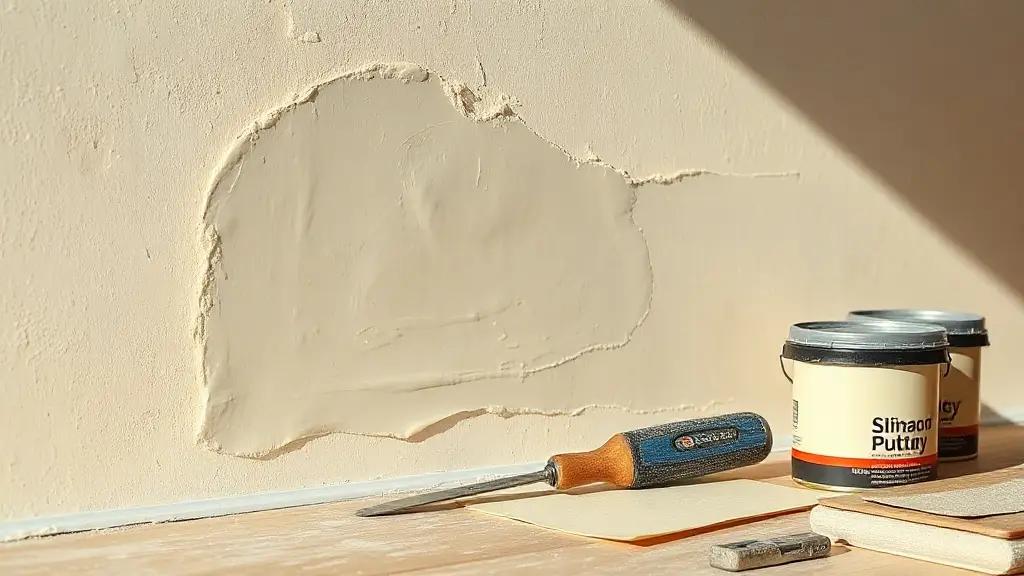
A freshly plastered wall made with premium cement dries more uniformly and develops fewer surface irregularities such as hairline cracks, pinholes, and rough patches. These surface flaws, if left untreated, will show through even the best exterior paint or interior finish. That is why professional painters always recommend applying a high-quality wall putty before painting. Wall putty fills micro-pores, evens out the plaster texture, and creates a perfectly smooth base that allows paint to bond firmly without absorbing unevenly.
Inferior cement, on the other hand, can lead to a weak plaster layer that is prone to moisture intrusion and surface degradation. In Tamil Nadu's humid coastal climate, this becomes especially problematic. Walls built with good-quality cement, properly cured and finished with a suitable wall putty, are far better equipped to hold a paint coating for years without bubbling or flaking.
The Role of Cement in Waterproofing and Exterior Paint Performance
For exterior surfaces, the cement-to-paint relationship is even more critical. Tamil Nadu experiences heavy monsoon rains, and walls that have not been adequately waterproofed will absorb rainwater, causing dampness, efflorescence, and eventual paint failure. When the underlying plaster is made from quality cement and is structurally sound, a professional-grade waterproofing solution can be applied effectively to create a reliable moisture barrier. After waterproofing, a durable exterior paint coat can be applied with confidence, knowing the surface beneath is stable and well-sealed.
Contractors working on new construction or renovation projects in the region should treat wall waterproofing as a non-negotiable step — not an optional upgrade. Skipping this stage, regardless of how good the cement or paint is, almost always leads to costly repairs within a few monsoon seasons.
Choosing the Right Products After Cement Work Is Complete
Once your cement plaster has properly cured — typically 28 days for full strength — the finishing process can begin. The sequence that professionals follow is: wall putty application for smoothness, waterproofing where needed, primer coat for adhesion, and finally the chosen paint or texture paint for the decorative finish. For wooden elements such as doors, window frames, and furniture, applying a wood primer before the topcoat protects against moisture damage and ensures the paint colour appears true and even. Texture paint is an increasingly popular choice for accent walls and exterior facades in Tamil Nadu, adding visual depth while also providing an additional protective layer against the elements.
Frequently Asked Questions
Q: Why is my newly plastered wall showing cracks after painting?
New plaster needs adequate curing time before paint is applied. Painting too soon, or skipping wall putty, can cause the surface to crack. Always allow the plaster to cure fully and apply a quality wall putty to seal micro-cracks before painting.
Q: Can I apply exterior paint directly over cement plaster without waterproofing?
It is not advisable, especially in Tamil Nadu's rainy climate. Without a waterproofing layer, moisture penetrates the plaster and causes paint to bubble and peel. Applying a waterproofing solution before your exterior paint coat significantly extends the life of your finish.
Q: How do I know if my wall surface is ready for texture paint?
Your wall should be fully dry, smooth, and primed before texture paint is applied. Any loose plaster, cracks, or moisture patches should be repaired and sealed first. A professional paint shop like Quality Colours can guide you on the correct preparation steps for your specific wall type.
Related Products at Quality Colours
- Wall Putty – For a smooth, crack-free base coat
- Exterior Paint – Weather-resistant finishes for Tamil Nadu homes
- Waterproofing Solutions – Keep your walls damp-free all year
- Texture Paint – Stylish, protective finishes for interior and exterior walls
- Wood Primer – Essential protection for all wooden surfaces
Need expert paint advice? Call or WhatsApp Quality Colours: +917418831122
Source: Axis Securities bullish on this cement stock as its preferred pick of the week - Mint


